

Vacuum Aging Furnace Delivery
Release time:
2025-05-23
Author:
Source:
Abstract
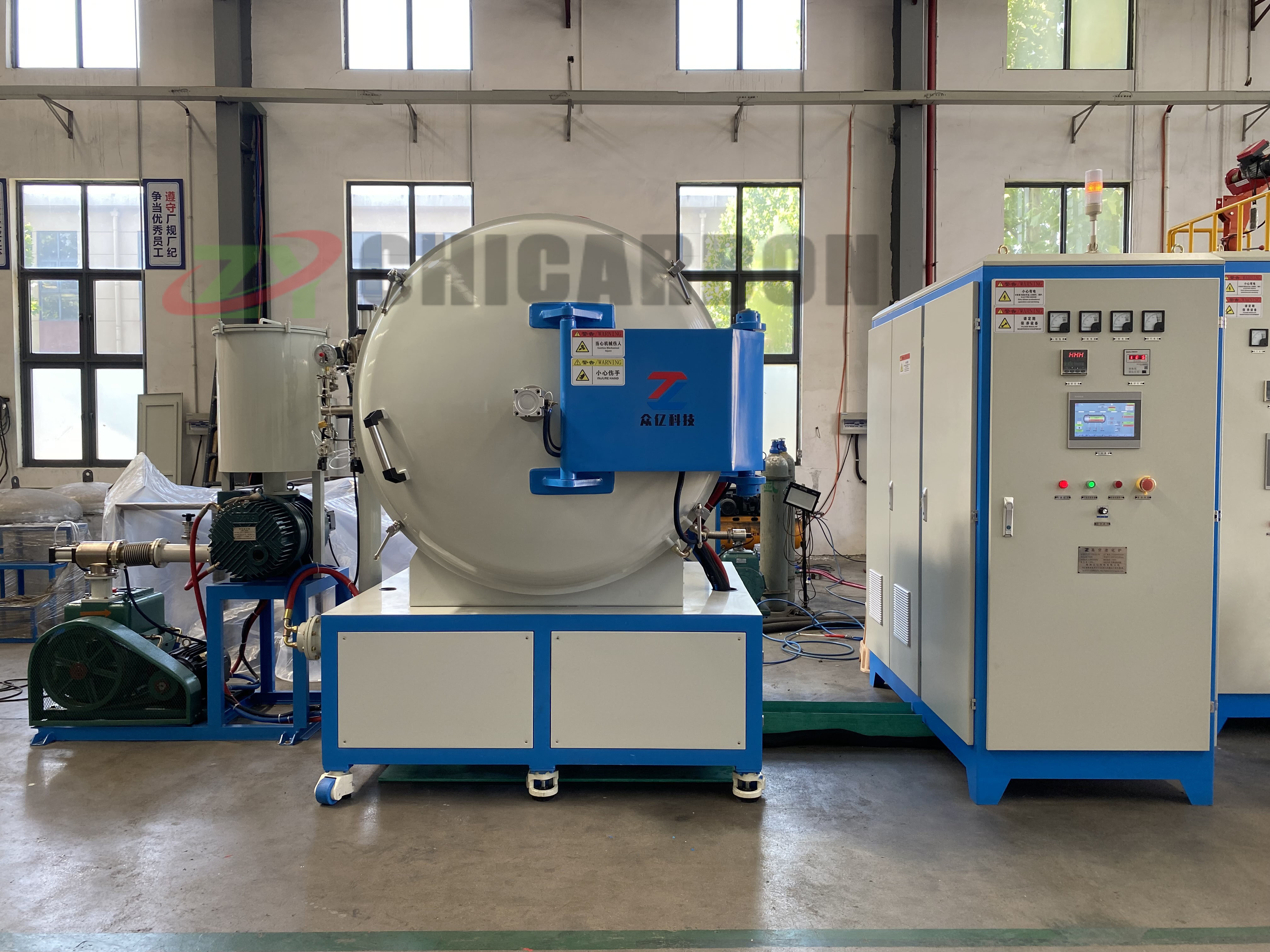
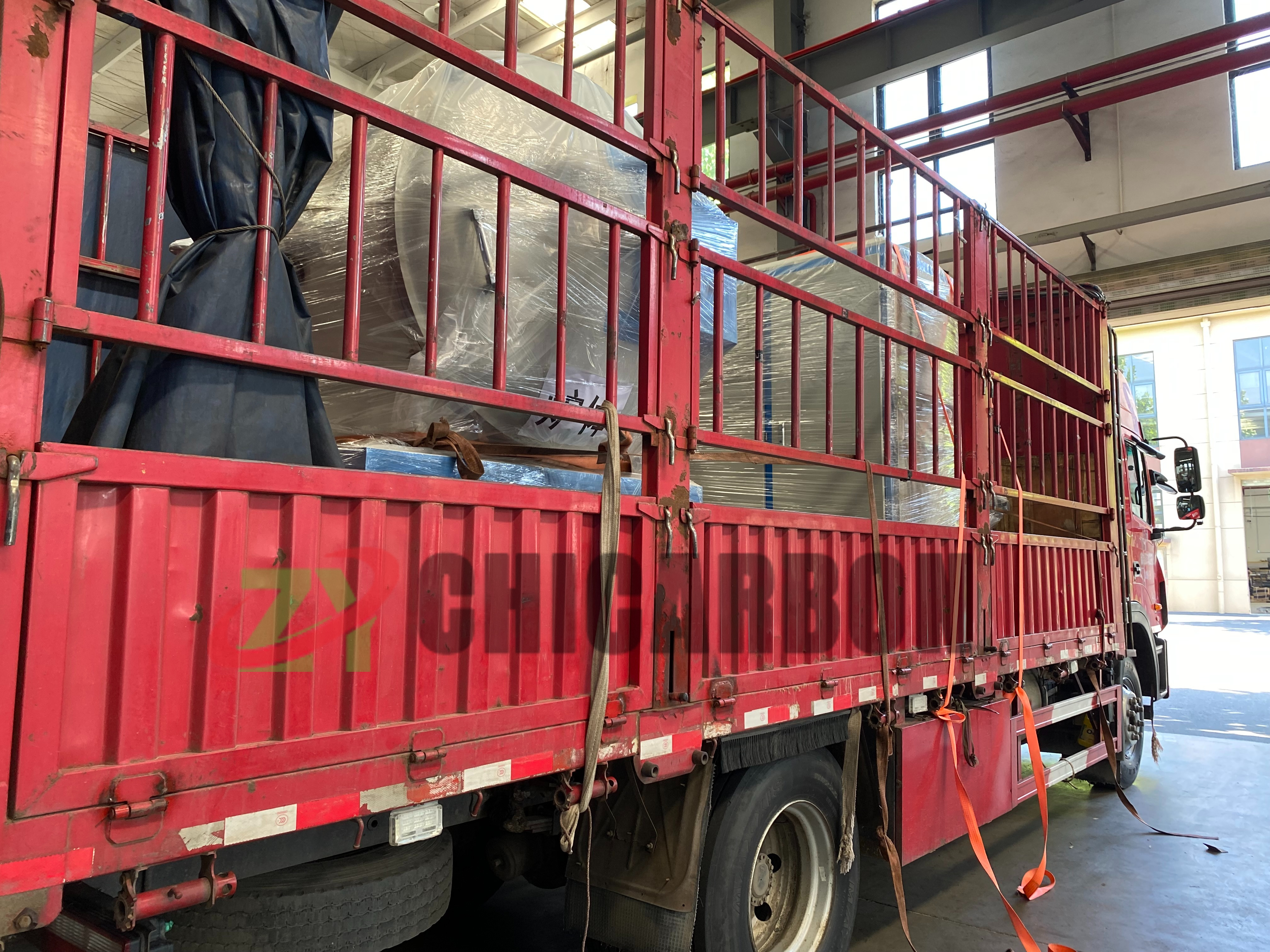
Under the efforts of the working team, the vacuum aging furnace products were successfully shipped. Vacuum Aging Furnace is a device that performs aging tests on materials or products in a vacuum environment. This product can be used in material science research, electrical and electronic industry, new energy, aerospace and aviation.
Recommended Reading
With the explosive growth of the electric vehicle and energy storage markets, the energy density, cycle life, and safety of lithium batteries have become the focus of industry competition. As the mainstream choice for anode materials—artificial graphite and natural graphite—their electrochemical performance is highly dependent on the quality of the graphitization process. Graphitization is not only the process of converting amorphous carbon into ordered graphite crystals, but it also determines key indicators such as the degree of graphitization, defect density, and impurity content of the final anode material, thus directly affecting the battery's cycle life.
In actual production, two core process parameters—maximum processing temperature and furnace vacuum—are often the key to success or failure. Is the temperature high enough and uniform? Can the vacuum effectively remove impurities? This article will start from the mechanism, deeply analyzing how temperature and vacuum affect the cycle life of anode materials, and, combined with our company's advanced control capabilities of high-temperature graphitization furnaces and vacuum sintering furnaces, demonstrating how precise thermal processes can improve product consistency.
2026-04-17
New Shipment for Graphitization Furnace System for Carbon Fiber Processing
2026-04-15
As a core component of the battery, the performance of the anode material directly determines the overall performance of the battery. In the manufacturing process of anode materials from raw materials to finished products, vacuum sintering/heat treatment is one of the most critical processes, directly affecting the graphitization degree, specific surface area, compaction density, and electrochemical performance of the material.
This article will systematically explain the technical principles of lithium-ion battery anode material sintering and, in conjunction with the process characteristics of different material systems, deeply analyze the key control points of critical process parameters, providing a reference for anode material manufacturers in process optimization and equipment selection.
2026-04-09